Additional information:
The present study was conducted with the support of the Shota Rustaveli National Science Foundation of Georgia (SRNSFG) with a grant from the Fundamental Research program under the title “In Search of Social Cohesion in Minor Urban Settings of Georgia” (FR-18-6226).
The views expressed in this publication are those of the authors and do not necessary represent opinions of the Shota Rustaveli National Science Foundation of Georgia (SRNSFG).
მოცემული კვლევა განხორციელდა შოთა რუსთაველის საქართველოს ეროვნული სამეცნიერო ფონდის (SRNSFG) მხარდაჭერით, ფუნდამენტური კვლევების პროგრამის გრანტის ფარგლებში, სახელწოდებით „სოციალური შეჭიდულობის ძიება საქართველოს მცირე ურბანულ დასახლებებში“ (FR-18-6226).
ამ პუბლიკაციაში გამოთქმული მოსაზრებები ეკუთვნის ავტორებს და აუცილებლად არ ასახავს შოთა რუსთაველის საქართველოს ეროვნული სამეცნიერო ფონდის (SRNSFG) ოფიციალურ პოზიციას.
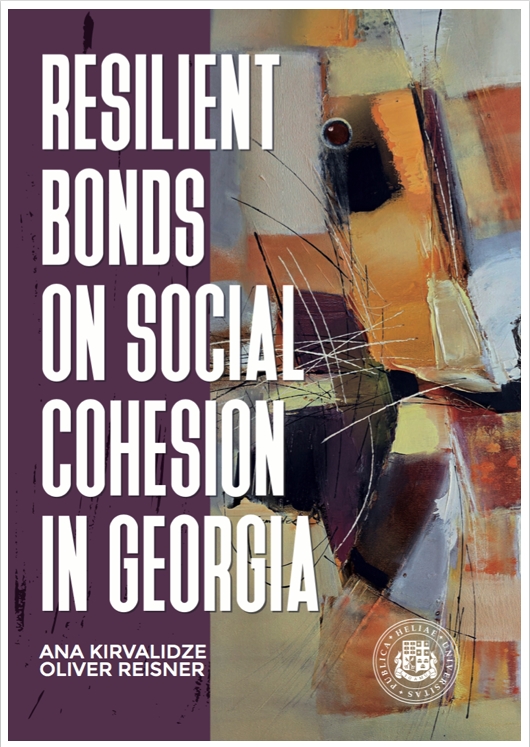
This book highlights the persistent patterns in Georgian society that despite repeated “democratic breakthroughs” in the post-Soviet period, have stymied the development of a cohesive and sustainable democracy. The authors, building on studies by Western and Georgian scholars such as Ghia Nodia, Barbara Christophe, Florian Mühlfried, and Gia Tarkhan Mouravi, examine the roots of the lasting political and social fragmentation that has characterized modern Georgian society, shaped by the longue durée of Soviet power and its capitalist neo-liberal successor. Since Georgia’s independence, such social fragmentation has been exacerbated by unrelenting political polarization.